
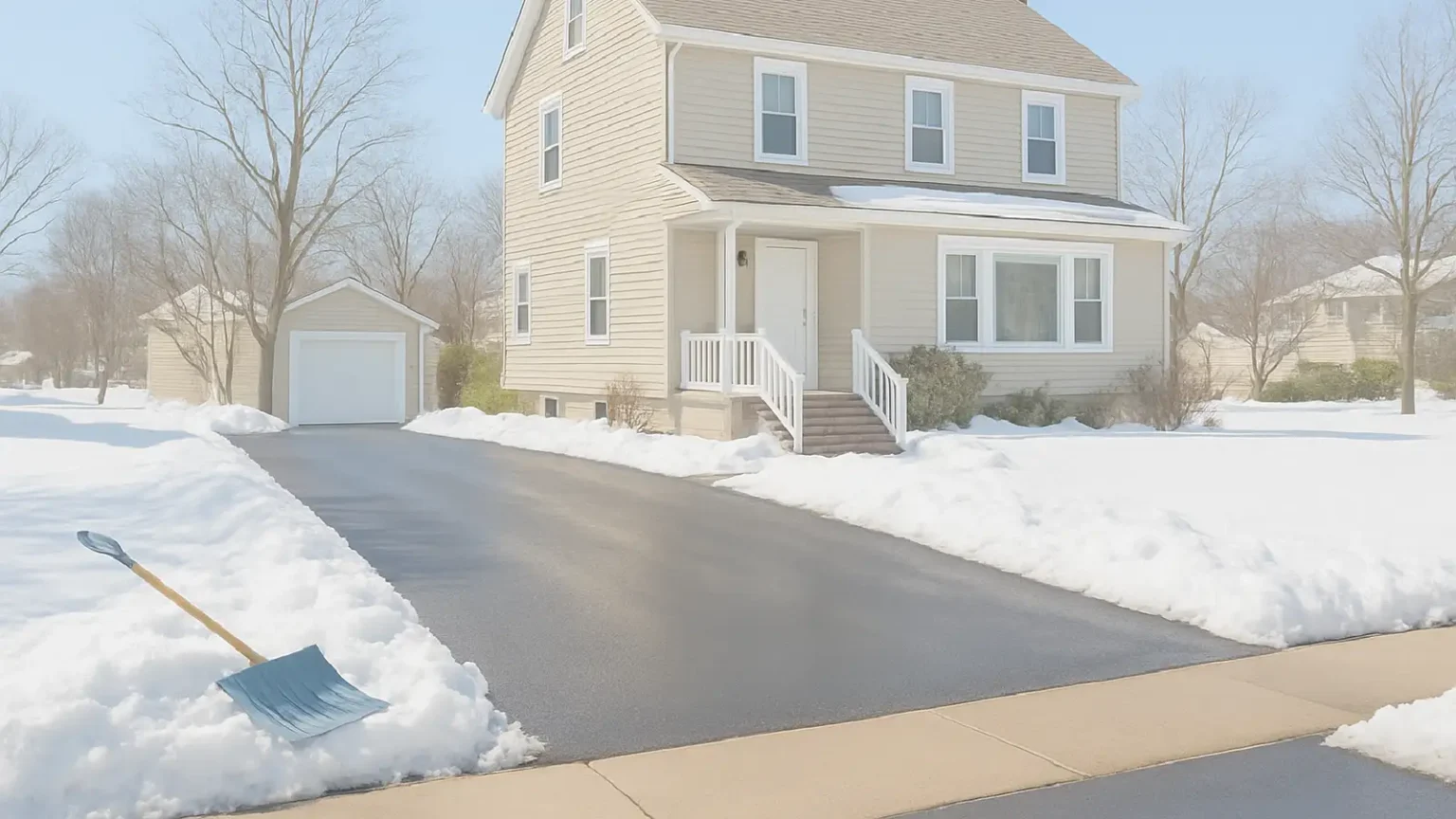
Why NJ Homeowners Must Act Before Winter Arrives
New Jersey winters are tough on driveways.
Between freezing temperatures, heavy snow, and frequent freeze-thaw cycles, even the strongest pavement can crack and deteriorate if left unprotected.
NJ homeowners who take time in early fall to prepare avoid costly repairs and keep their driveways safe through the winter season.
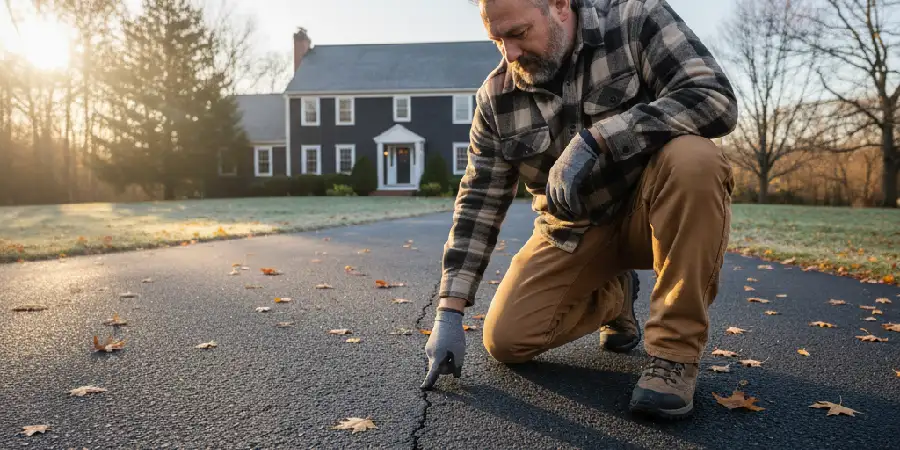
Step 1: Inspect Your Asphalt Driveway Before the Cold Weather Hits
Before temperatures drop, inspect your asphalt driveway for cracks, potholes, and uneven surfaces.
Even small cracks can trap moisture, and when water freezes, the damage multiplies.
If you spot hairline cracks, fix them now to prevent expensive repairs in spring.
In places like Warren County, early inspections are especially critical as freezing temperatures arrive sooner.
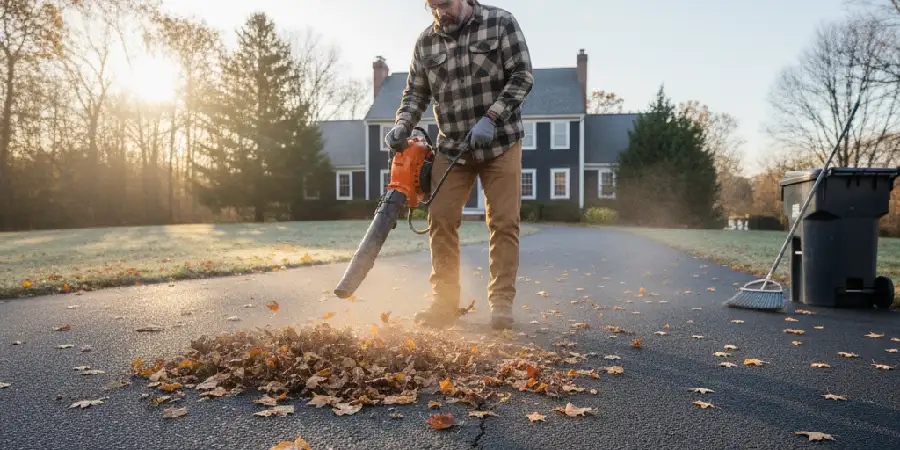
Step 2: Clean and Prepare the Asphalt Pavement Surface
Debris like leaves and dirt trap moisture, which can weaken asphalt pavement.
Sweep your driveway thoroughly or use a leaf blower before the first snowfall.
Removing buildup ensures sealcoating and repair materials adhere properly, forming a stronger protective layer.
For larger homes in Passaic County, homeowners often schedule seasonal cleanings through asphalt maintenance services to keep their driveways ready for winter.
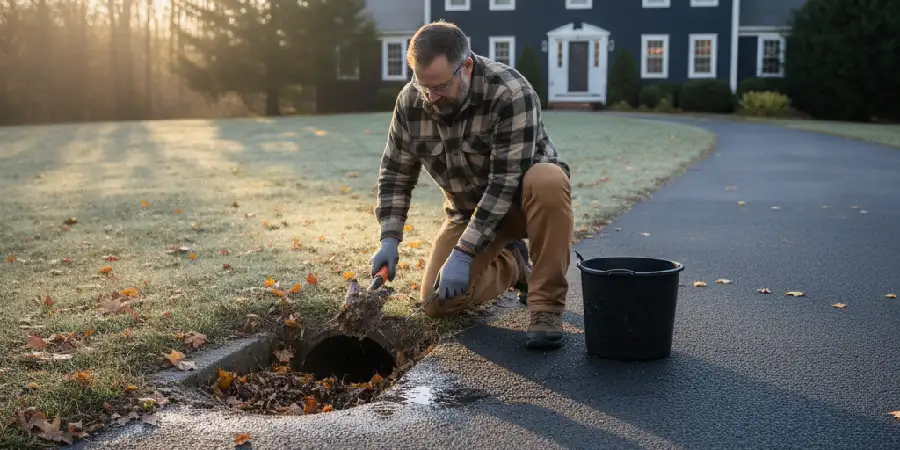
Step 3: Fix Drainage Issues Before They Wreak Havoc
Standing water is one of the biggest threats during winter.
When pooled water freezes, it creates cracks, potholes, and slippery hazards.
Address drainage issues early by installing French drains or adjusting slopes to redirect water away from the surface.
Ignoring drainage problems now can require costly repairs later when the snow melts.
Paving contractors in Somerset County can design long-term solutions to keep water moving safely away from your property.
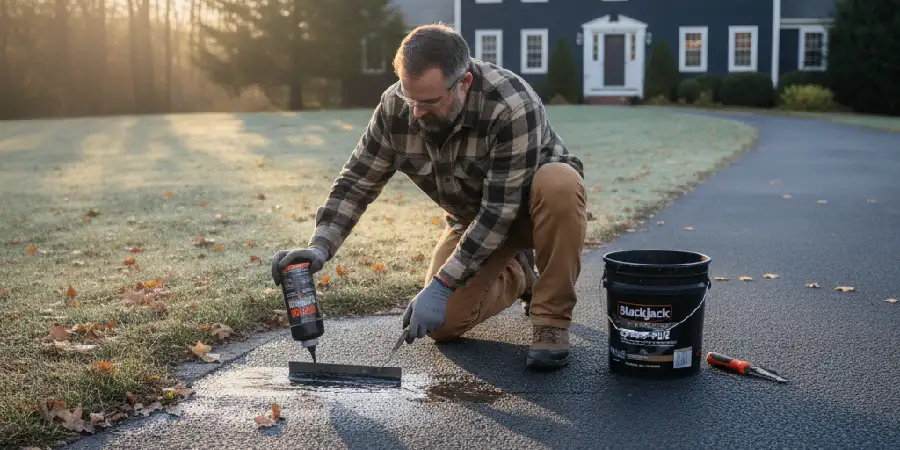
Step 4: Repair Cracks and Apply Asphalt Paving Solutions
Repair cracks as soon as you see them. Moisture infiltration is the leading cause of winter driveway damage.
Applying asphalt paving patch solutions early prevents water seeps that worsen during freezing temperatures.
While DIY crack fillers can help with small cracks, larger damage should be addressed by a professional paving contractor who uses specialized techniques and durable materials.
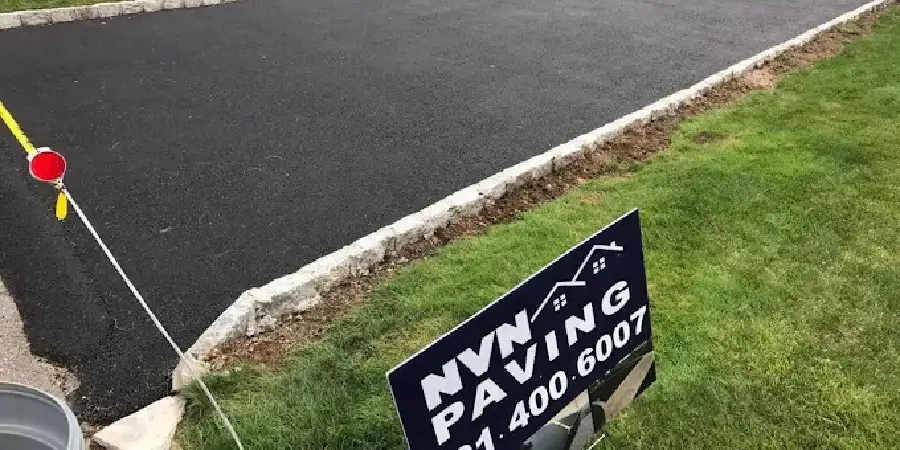
Step 5: Protect with Sealcoating Before the First Snowfall
Sealcoating acts as a protective layer against snow, salt, and ice.
Apply a fresh layer of sealant in early fall, allowing 24–48 hours of dry weather to cure before the first snowfall.
Sealcoating not only protects but also restores the sleek black finish of your driveway.
For expert service, consider asphalt sealcoating in New Jersey, which helps prevent moisture damage during the harsh winter months.
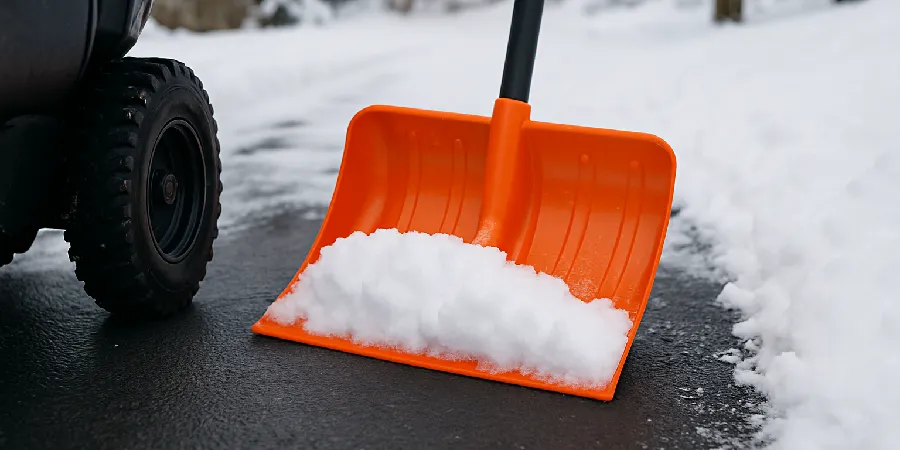
Step 6: Smart Snow Removal and Melting Snow Strategies
Snow removal is essential, but must be done carefully.
Use a plastic shovel instead of a metal shovel to avoid scratching the surface.
For larger properties, a snow blower is safer and prevents direct contact with the pavement.
When melting snow, avoid harsh chemicals.
Rock salt damages asphalt and accelerates the freeze-thaw cycle.
Safer alternatives like calcium magnesium acetate provide de-icing power without eroding the surface.
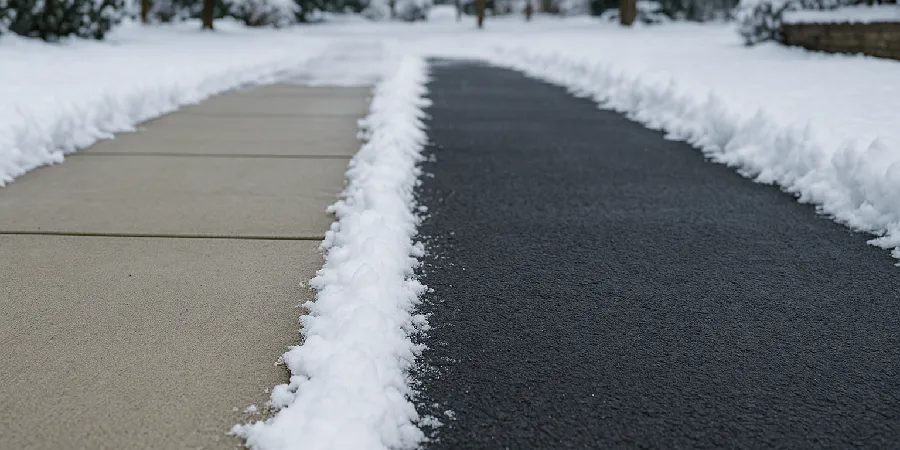
Step 7: Concrete Driveways vs. Asphalt – Winter Performance
While concrete driveways are common in New Jersey, they react differently to winter weather.
Concrete tends to crack more easily during temperature fluctuations, while asphalt driveways remain flexible and withstand freeze-thaw cycles better.
Still, both materials require proper preparation. Regular sealing and timely crack repair are critical to preventing long-term damage.
Step 8: Choose Safe Ice Melt and Avoid Rock Salt
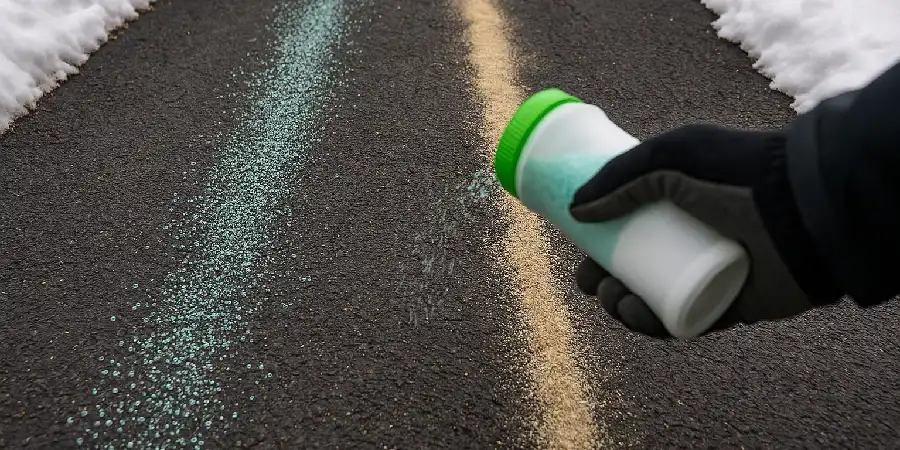
Many NJ homeowners spread rock salt during icy conditions, but it can wreak havoc on asphalt by causing surface erosion.
Instead, use safer ice melts like calcium magnesium acetate or apply sand for traction.
If you rely on snow removal services, make sure they use the right materials to avoid damaging your driveway.
Step 9: Managing Heavy Vehicles and Snow Loads
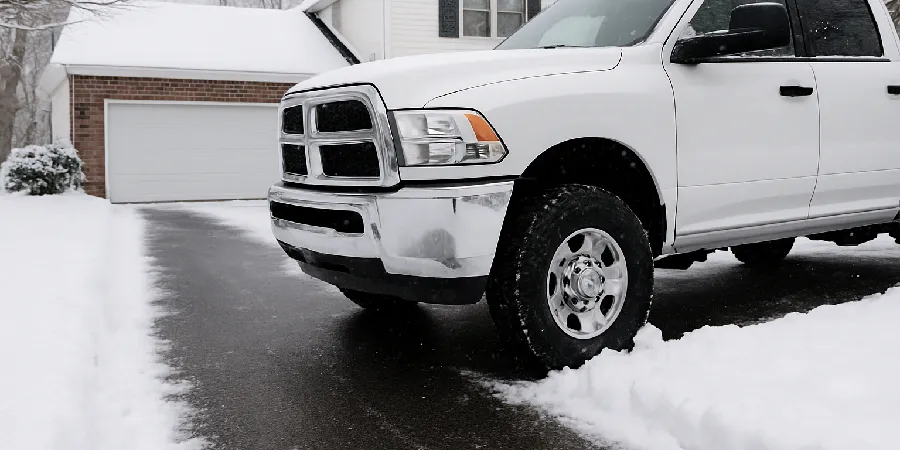
Avoid parking heavy vehicles on your driveway during the colder months.
Combined with heavy snow, the extra pressure can weaken the surface and lead to potholes.
Keeping vehicles off the driveway helps extend its lifespan and reduces the need for emergency repairs.
Step 10: Ongoing Maintenance Tips for NJ Homeowners
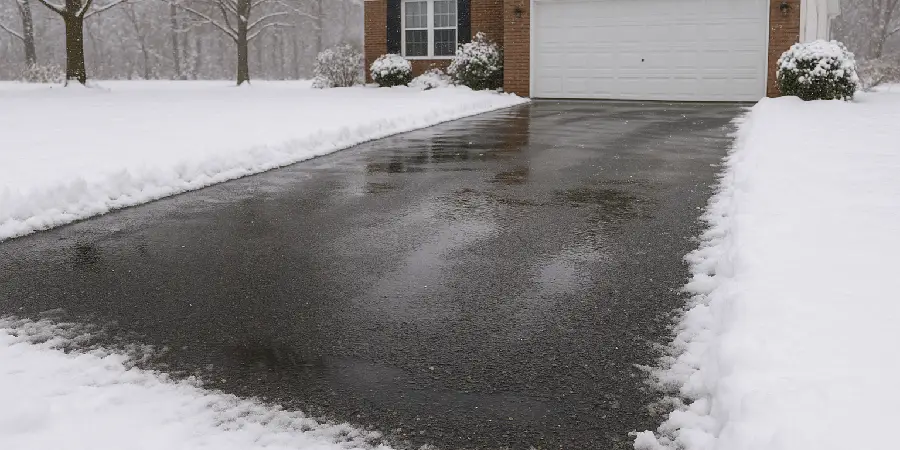
Follow these maintenance tips throughout the winter season:
- Clear snow promptly after snow falls.
- Use only safe de-icing products.
- Monitor your driveway for standing water.
- Inspect after every storm for new cracks.
A proactive approach saves money by preventing small cracks from becoming major issues.
For full-service help and to keep a well-maintained driveway, see asphalt crack repair in NJ.
Step 11: Local Focus – Preparing Driveways in Morris County and Warren County
Homeowners in Morris County and Warren County face some of the toughest winter weather in the state.
Preparing your driveway now with sealcoating and proper drainage ensures fewer problems when winter arrives.
If you need expert help, reach out to trusted Morris County paving contractors.
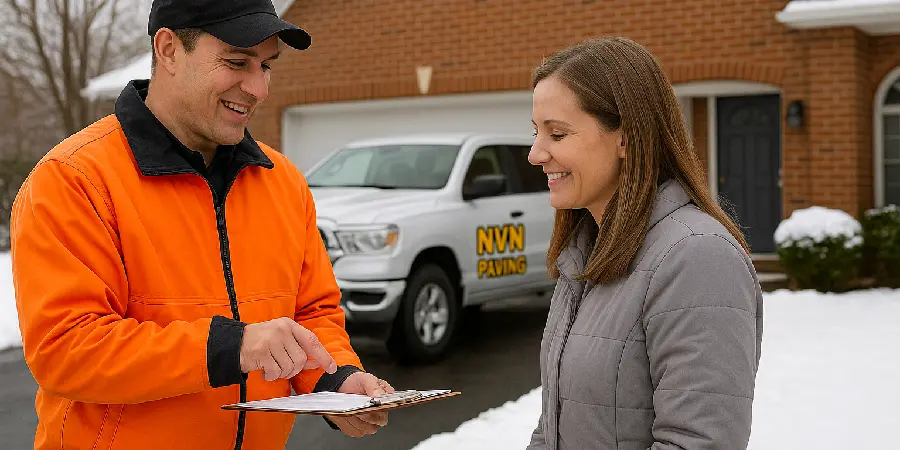
NVN Paving understands the unique climate challenges of northern New Jersey and can provide a free estimate tailored to your property.
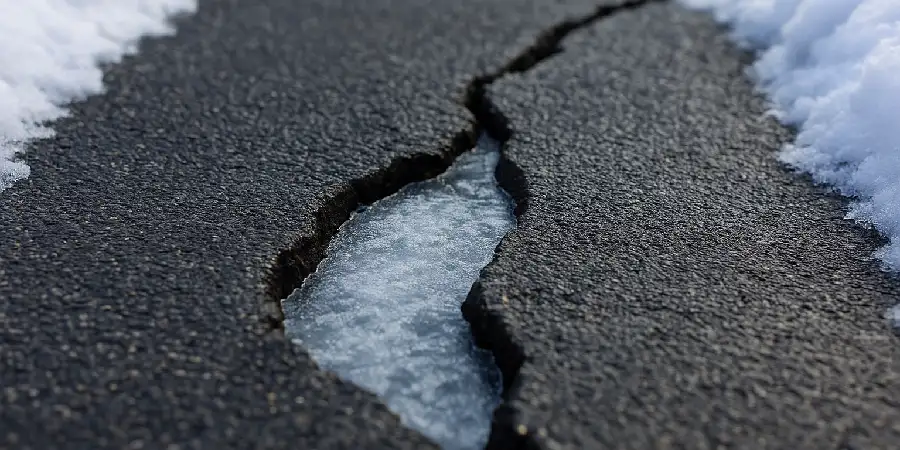
Step 12: Why Freeze-Thaw Cycles Demand Early Action
The freeze-thaw cycle is one of the most destructive natural forces acting on your driveway.
Each time water freezes and expands inside cracks, it pushes the surface apart.
When temperatures rise, the water seeps deeper, only to freeze again.
This cycle repeats all winter, eventually leading to potholes and structural damage.
Taking preventive steps in early fall minimizes these risks.
FAQs: Preparing Driveways for Winter in New Jersey
Should I seal my driveway before winter?
Yes, sealing adds a protective layer that prevents moisture and ice damage.
What temperature is too cold for asphalt?
Asphalt paving should not be installed when temperatures drop below 50°F.
Can you do an asphalt driveway in winter?
It’s not recommended, as cold weather prevents materials from curing correctly.
What not to do on a new asphalt driveway?
Avoid using rock salt, parking heavy vehicles, or leaving standing water on the surface.
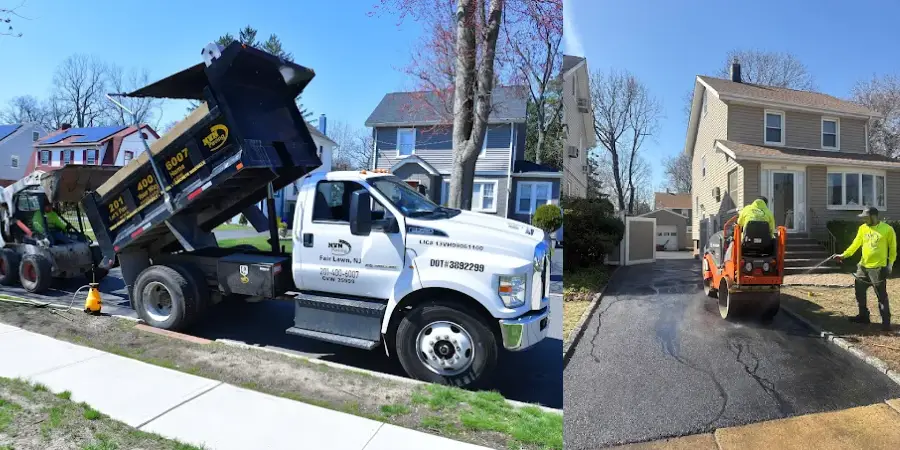
Get Your Driveway Ready for Winter Today with the Best Driveway Paving Company in New Jersey
Winter in New Jersey brings freezing temperatures, snow, and melting ice that can damage your driveway.
By inspecting, sealing, repairing, and using safe snow removal methods, you protect your investment and avoid expensive repairs in spring.
Don’t wait until winter hits!
Contact a professional paving contractor for driveway paving, sealcoating, or asphalt maintenance now.
For expert winter paving services across Bergen, Passaic, Somerset, and beyond, call NVN Paving today.
We make things cost-effective before winter approaches!